Industrial Stools
A stool built for a workshop floor or warehouse pick station has to answer to a different brief than one built for an office or a design studio. It needs to take knocks, hold up under a boot rather than a shoe, and carry a higher weight load through a full shift without the seat or the gas lift giving out early. Sit Spot’s industrial stools are built for exactly that: workshops, warehouses, trade counters and manufacturing floors where the stool is a piece of equipment as much as a seat.
If what you need is a stool for a drafting table or a CAD desk rather than a factory floor, our Drafting Stools range is the better fit, built around office and design-studio use rather than trade environments. Both sit within our full range of commercial seating.
Need Advice ?
Free Consultation- Sorry, this product cannot be purchased.
Showing 21–34 of 34 results
-

Lab100 Drafter

-

Lab100 Stool
-

Lab200 Perching Stool
-

Lab300 Alloy Base Drafter
-

Lab300 Drafter
-

Lab500 Drafter
-

Lab500 Stool
-
Machinest Bar Stool Sled
-
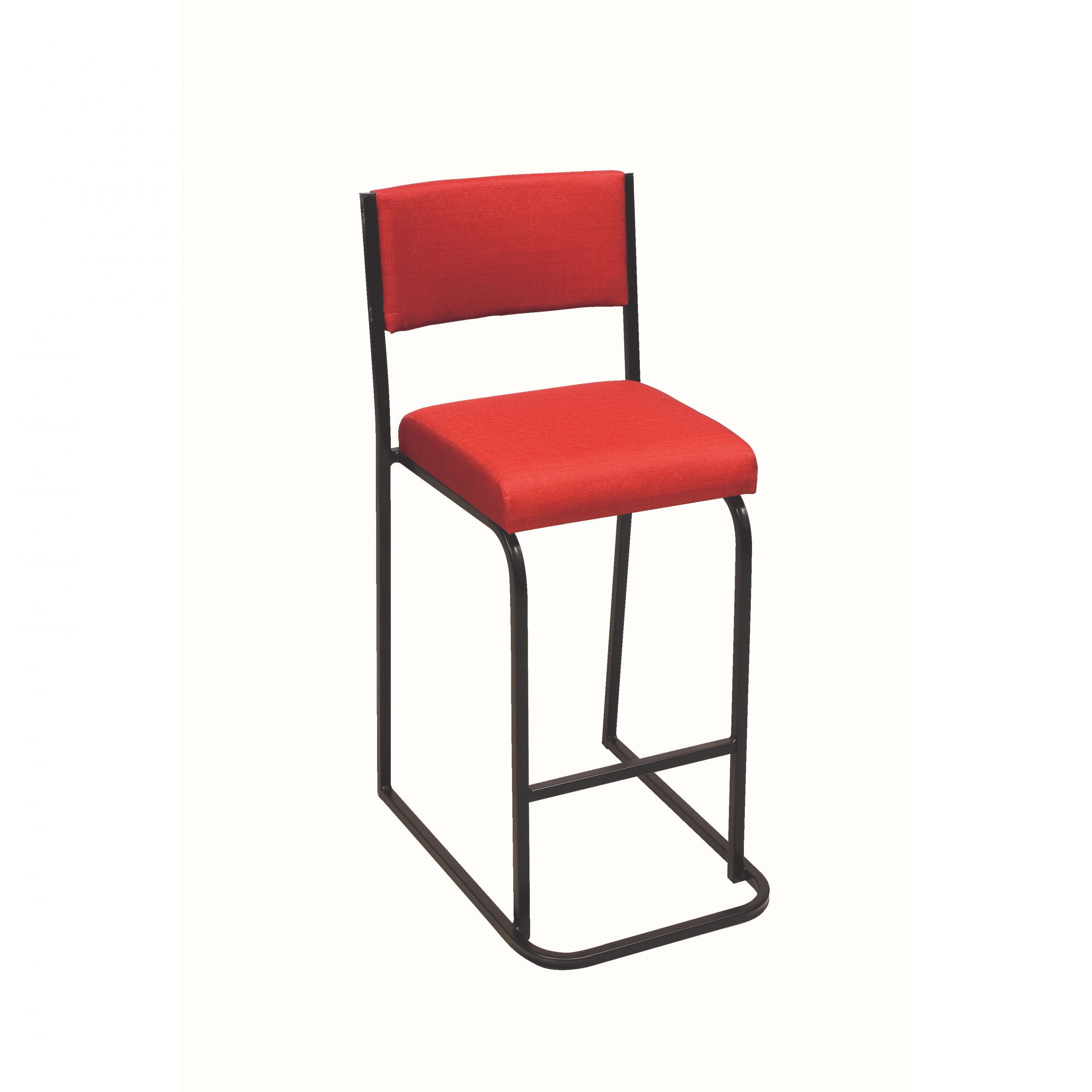
Machinest Bar Stool Sled & Return
-
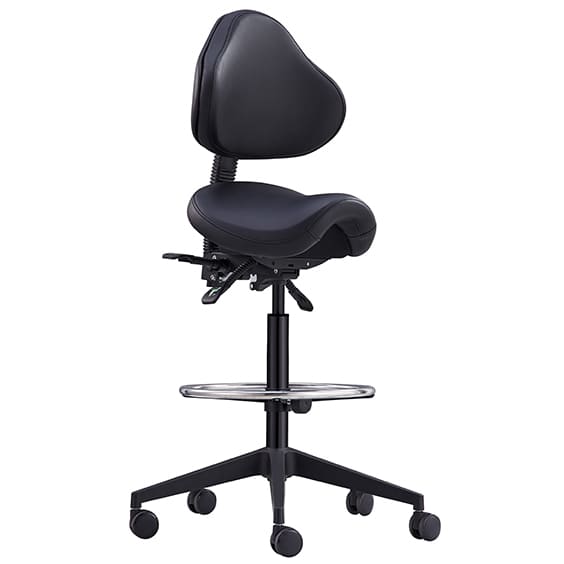
Stage Industrial Saddle Seat Stool
-
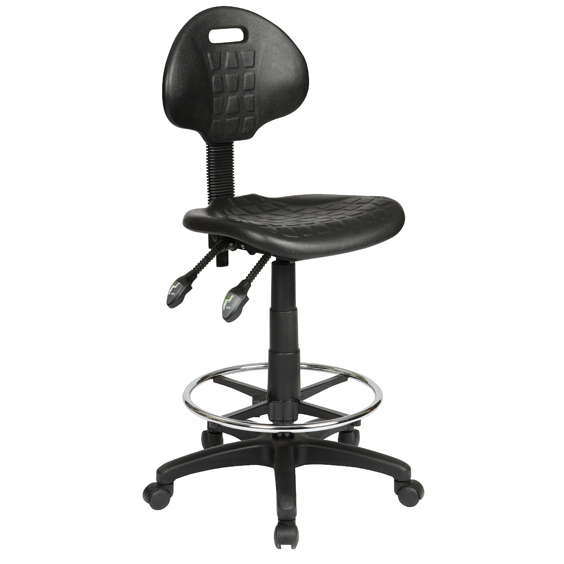
State High Back Industrial Drafting Stool
-
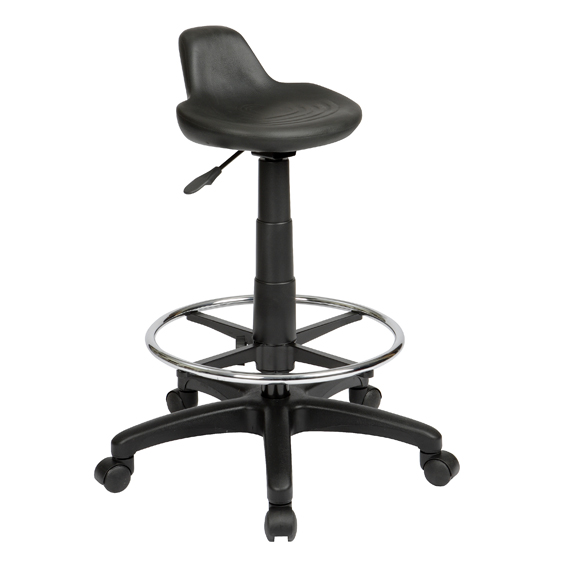
State Low Back Industrial Drafting Stool
-
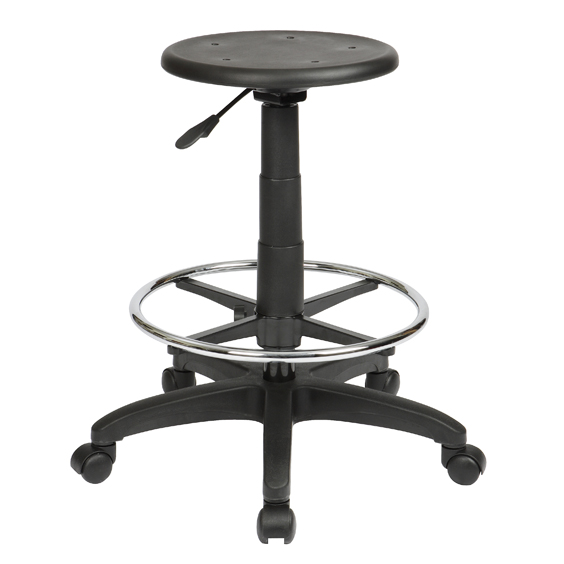
State no back PP Drafting Stool
-
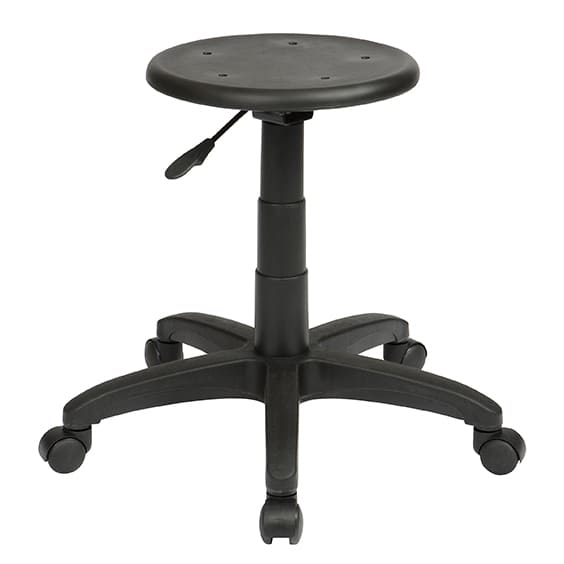
State no back PP Stool
Industrial Stools
What makes a stool “industrial-grade”
An industrial stool is specified against a harder set of demands than most seating: a heavier steel frame able to take repeated impact and knocks, a higher rated weight capacity than office seating, and finishes that shrug off grease, dust and the odd spill rather than showing every mark. Height adjustment, where fitted, needs to hold under load without drifting down through a shift, and footrests need to survive being kicked and scraped rather than gently rested on. None of this is about comfort in the way an office chair is judged – it’s about a stool that keeps working the same way on day one thousand as it did on day one.
Industrial stools vs drafting stools: not the same job
Both categories can look similar at a glance, since both are height-adjustable stools built for use at a raised surface rather than a standard desk. The difference is in the environment and the spec. Drafting stools are built for office and design-studio use: CAD desks, drawing boards, and workspaces where the floor is clean and the stool sees one person’s careful use through a working day. Industrial stools are built for workshops, warehouses and trade floors, where the stool sees rougher daily handling, dirtier conditions, and often a higher weight load, and the frame and finish are specified accordingly. If your team works at a drafting table in an office, our Drafting Stools range is the better starting point; if the stool is going onto a workshop or warehouse floor, this range is built for that instead.
Where industrial stools get used
Workshops and manufacturing floors are the obvious setting, but the same stools suit any raised-height workstation in a working environment: warehouse pick stations, trade counters, quality-control benches, laboratories, and workbenches in a maintenance bay. Retail trade counters and parts stores often specify the same style of stool for staff standing at a raised counter through a shift. Because these environments are usually dirtier and busier than an office, consistency in build quality across a fleet of stools matters more than matching finish or colour.
Fixed height or adjustable: which suits your workstation
A fixed-height stool is simpler and generally holds up better under repeated heavy use, which suits a workstation where the bench height never changes and the same person or role uses the stool every shift. An adjustable stool, usually via a gas lift or a ring-and-lever mechanism, suits a shared workstation used by people of different heights across different shifts, or a bench that gets repositioned. Adjustable stools see more wear on the height mechanism itself, so a heavier-rated gas lift matters more here than it would in a lighter-use office setting.
Foot rings, tilting backs and other features
A foot ring gives support and stability at a taller stool height, which matters when a worker is perched rather than seated flat, and it takes real repeated weight over a shift. A tilting or adjustable back adds support for stools used for longer stretches, though many industrial settings favour a simple backless or fixed-back design that’s easier to keep clean and harder to damage. Castors help where a stool needs to move between workstations, though a static base is usually the safer choice on a workshop floor where rolling could be a hazard around machinery.
What to check before you order
A few things matter more with industrial stools than with office seating:
- Frame material and weight rating, since this determines how the stool holds up under trade or workshop use rather than office use
- Fixed or adjustable height, matched to whether the workstation and its users change
- Foot ring or footrest, useful at taller stool heights where a worker is perched rather than fully seated
- Finish and clean-down, weighed against how dirty or wet the environment gets
- Castors versus a static base, and whether rolling is safe around the equipment nearby
- Weight capacity and dimensions, listed on each product page so stools can be compared side by side
- AFRDI or BIFMA certification on selected models, useful where a documented commercial-use rating matters for procurement
Ordering industrial stools in quantity
Workshops and warehouses fitting out multiple workstations usually order stools in a batch, and running a mixed set of styles across the floor makes replacement and stock-holding harder down the track. Standardising on one style across a site keeps spare parts and replacement stools simple to source later, and ordering a few spares up front covers the stool that gets damaged early, which happens more often in industrial use than in an office. For a multi-site operation, confirming stock levels and lead times before a rollout avoids one site left short.
Caring for industrial stools
Industrial stools see more contact with grease, dust and moisture than most seating, so a wipe-down finish and a regular cleaning routine matter more here than the fabric choices that come up with office chairs. Check the height-adjustment mechanism and any castors periodically, since these carry the most repeated load and are usually the first parts to wear in daily industrial use. A loose foot ring or a stiff gas lift is worth fixing as soon as it’s noticed. In a workshop environment, a stool left to wear down usually fails faster than the same part would in an office, because the daily use is harder on it.
Sit Spot’s industrial stool range
Sit Spot’s industrial stools include the Alpha Round Stool alongside our HÅG Capisco range, built for higher work surfaces and trade and workshop use rather than office seating. If your team works at drafting tables or CAD desks instead of a workshop floor, our Drafting Stools range is worth a look, and for a hospitality bar or venue, our Commercial Bar Stools range covers that use case instead.
Looking for industrial stools for sale in Australia? Browse our full range of products from the menu above and get your desired stools quoted, or call us on 1300 748 776 or 0414 247 500, or contact us and we’ll help you match stools to your workspace.
Frequently asked questions
What’s the difference between industrial stools and drafting stools?
Both are height-adjustable stools for raised work surfaces, but drafting stools are built for office and design-studio use, while industrial stools are built for workshops, warehouses and trade floors with a heavier frame and higher weight rating.
What weight capacity should an industrial stool have?
It depends on the environment and the users. Weight capacity is listed on each product page, and it’s worth checking this against your team’s actual use rather than assuming a standard office rating applies.
Should I choose a fixed-height or adjustable industrial stool?
Fixed height suits a workstation used by the same person or role every shift. Adjustable suits a shared bench used across different shifts or by people of different heights.
Are castors a good idea for a workshop stool?
Not always. Castors help where a stool needs to move between workstations, but a static base is usually safer on a workshop floor near machinery.
Can I order matching industrial stools across several workstations or sites?
Yes. Standardising on one style makes replacement and spare stock simpler, and confirming stock and lead times up front avoids a site left short during a rollout.
Can industrial stools be delivered outside Sydney?
Yes. Sit Spot is proudly based in Sydney and ships Australia-wide, including regional areas, with on-site assembly available.
Fitting out a workshop, warehouse or trade counter? Browse our full range of products from the website menu and get your desired stools quoted, or contact us and we’ll help you match stools to your workspace.


